Industry: Clothing, Fashion, Retail
Client/Partner: LuxeLoom, a [fictional] clothing apparel company and retailer
Audience: CxO’s, Retail Industry Leaders, Fashion Enthusiasts
Breaking Barriers: How Gender-Neutral Fashion is Redefining the Industry
In recent years, the fashion industry has undergone a profound transformation, breaking away from traditional norms and embracing a more inclusive approach. One of the most significant shifts has been the rise of gender-neutral fashion, a movement that challenges the binary distinctions between men’s and women’s clothing. This paradigm shift isn’t just about style; it’s a cultural movement that reflects changing attitudes toward gender identity and expression. And at the forefront of this movement is LuxeLoom, a pioneering brand embracing gender-neutral fashion and reshaping the fashion industry, one thread at a time.
Breaking the Binary
Traditional fashion has long been divided along gender lines, with distinct collections for men and women. However, this binary approach is increasingly being challenged by designers, retailers, and consumers alike, largely due to the influence of Gen Z. According to a study completed by SeeHer and Horowitz Research, nearly 50% of Gen Z consumers believe that gender is non-binary, and 64% believe sexuality is fluid and changeable. This demographic, known for its progressive views on social issues, is driving demand for more inclusive clothing options. Gen Z carries the power to influence consumers (especially through social media) to shop at or “cancel” a major brand, based on the type of representation and social cause that the brand advocates for.
Inclusive Marketing and Representation
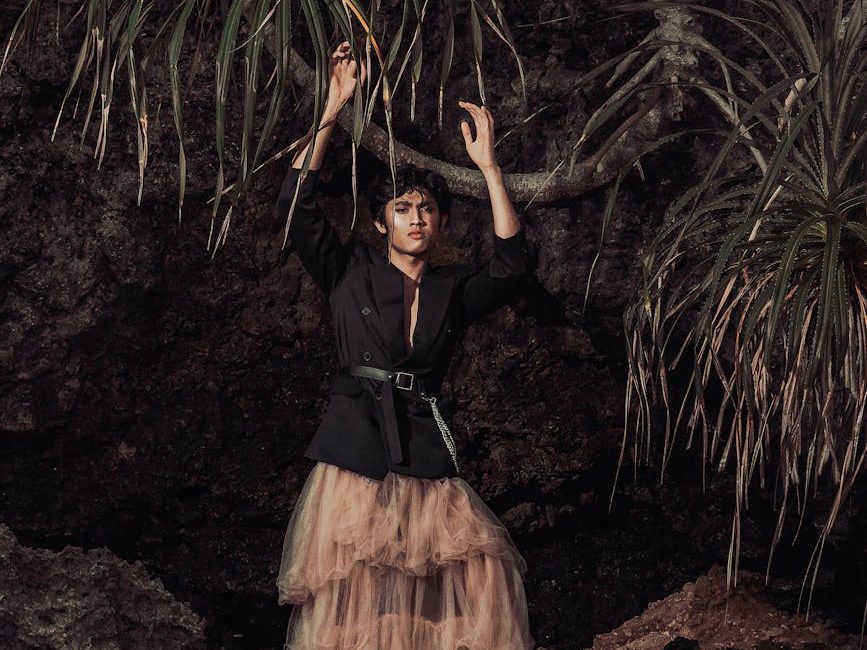
In addition to product offerings, brands are also changing their marketing strategies to be more inclusive. According to a report by Josh Bersin, inclusive companies are 1.7 times more likely to be innovation leaders in their industry. This is evident in fashion campaigns similar to LuxeLoom’s Beyond Labels campaign. The campaign featured the latest collection (of gender-neutral outfits) on models of diverse genders, body types, and backgrounds. From ascots to ankle boots, the campaign celebrated diversity and the right to individual expression. By embracing diversity in marketing efforts, brands are not only appealing to a broader audience but also sending a powerful message of acceptance and empowerment.
Impact on Retail Sales
The embrace of gender-neutral fashion isn’t just a matter of social responsibility; it’s also good for business. According to research by Nielsen, over half of U.S. consumers (52%) purchase from brands that support causes they care about. This includes supporting brands that champion diversity and inclusion. By catering to the growing demand for gender-neutral clothing, retailers can tap into a lucrative market segment and drive sales growth.
Data-Driven Design
Gender-neutral fashion is more than just a passing trend; it’s a reflection of our evolving understanding of gender and identity. And it’s backed by real data and consumer insights. Market research by Industry Growth Insights predicts that the global gender neutral clothing market is expected to grow at a CAGR of 6.5% during the forecast period, from 2021 to 2030. This growing demand is driven by consumers who seek clothing that prioritizes comfort, versatility, and self-expression over rigid gender distinctions. LuxeLoom leverages these insights to inform its design process, creating collections that resonate with a wide range of individuals. By embracing diversity in their collections, marketing, and business practices, brands can not only stay relevant but also make a positive impact on society as a whole.


 sarahparkwrites